







Search Results for: Kenyan Coffee Grading
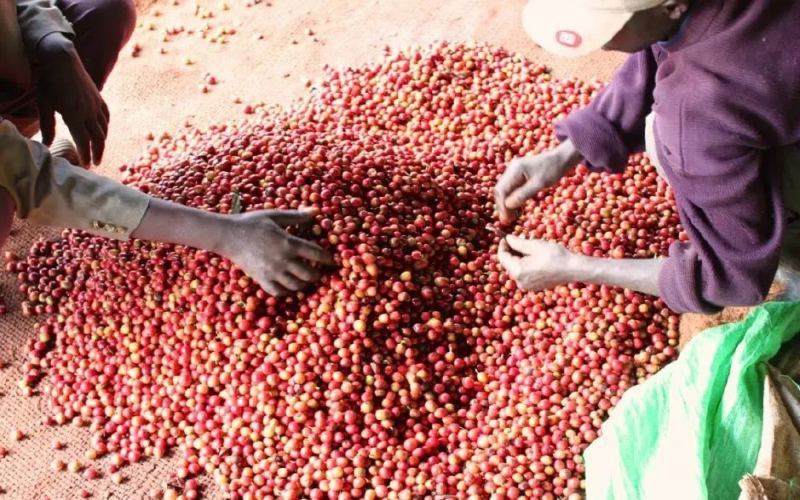
How much is Kenyan coffee? AA vs AB grade differences, K72 washed grading, and Front Street brewing parameters
Kenyan coffee is famous for its vivid fruity aroma, citrus notes, and juice-like acidity, and is a specialty representative in the minds of many coffee lovers. This article focuses on the price of Kenyan coffee, its regional background, and its green bean grading system, with emphasis on explaining the differences in bean size among grades such as AA, AB, and PB, as well as the impact of K72 washed processing on quality. At the same time, combined with the price and store information of Front Street Little Tomato, it provides specific brewing suggestions for light-to-medium roasted Kenyan beans, including coffee-to-water ratio, water temperature, grind size, and staged pouring plans, helping readers understand the flavor and value of Kenyan coffee more systematically. [more…]
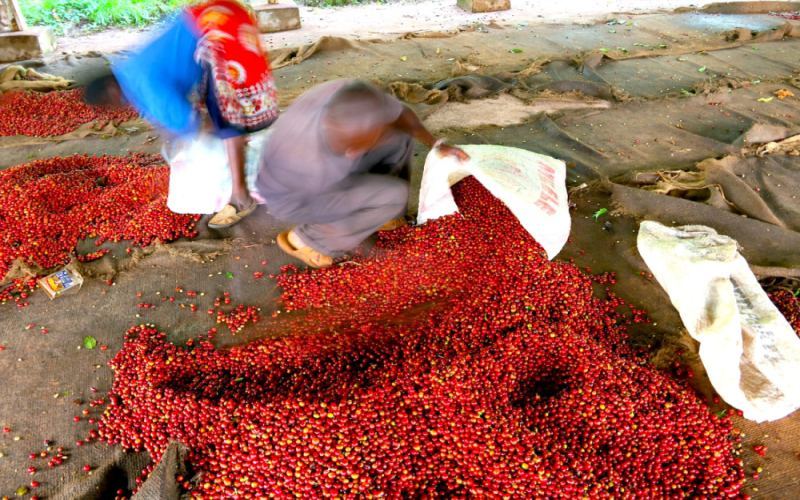
A Detailed Guide to Kenyan Coffee Bean Grading: AA Screen Size Standards and Front Street Specialty Recommendations
Kenyan coffee is renowned for its bright acidity and complex flavors, and its grading system is equally worth understanding in depth. Kenyan coffee beans are roughly divided into eight grades—E, PB, AA, AB, C, TT, T, and MH/ML—based on bean size, weight, and shape and appearance, with Grade AA being the most common and outstanding in quality. This article will analyze in detail the specific classification criteria for each grade, including the 17/18 screen size of Grade AA, as well as cup quality classifications set by exporters such as TOP, PLUS, and FAQ. It will also introduce the Kenyan AA TOP-grade beans launched by Front Street Coffee, originating from the Thika region and processed using the K72 double washing fermentation method, presenting delicate acidity reminiscent of berries and red wine along with a creamy sweet aftertaste, making them a top choice for lovers of acidic coffee. [more…]
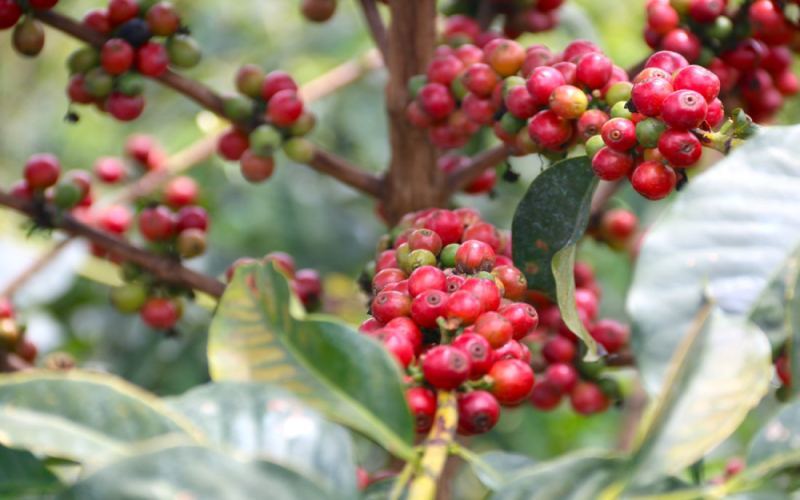
Kenyan Coffee Bean Grading and Flavor Analysis: AA Grade Standards, Regional Characteristics, and Front Street Recommendations
Kenyan coffee is renowned worldwide for its vibrant fruit notes and full body, making it a favorite among many coffee enthusiasts. This article systematically outlines Kenya's coffee grading standards, explaining each tier from AA and AB to PB and E, and provides an in-depth analysis of its unique K72 washing process. It also introduces the altitude, varieties, and harvest periods of core producing regions such as Nyeri, Kirinyaga, and Muranga, along with the brewing parameters and flavor profile of Front Street Coffee's recommended Kenyan Cherry Tomato coffee beans, offering coffee lovers a complete guide to Kenyan coffee. [more…]

Kenyan Coffee K72 Washed Processing Method Explained: From AA Grading to Front Street Coffee Medium-Light Roast Brewing Guide
Kenyan coffee occupies a unique position in the global specialty coffee scene, thanks to its distinct berry flavors, robust fruit acidity, and sweet, juicy mouthfeel. The formation of this flavor profile is related not only to the local soil's high phosphoric acid content but also, crucially, to the famous K72 washing process—a three-stage fermentation lasting up to 72 hours. This article will provide a detailed analysis of the K72 fermentation process and Kenya's steel bed drying method, outline the Kenyan coffee bean grading system and exporter cup grading, and share Front Street Coffee's roasting approach and pour-over parameters for AA-grade Kenyan Asaliya, helping readers fully understand the flavor logic of Kenyan coffee from processing to cup. [more…]
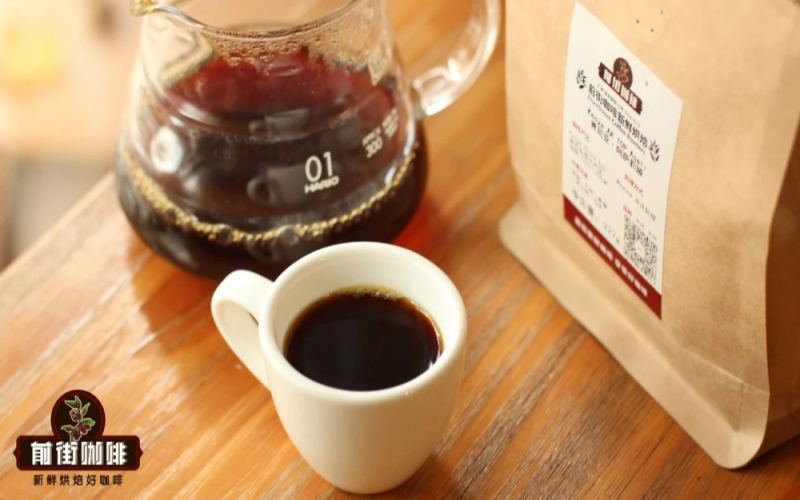
Explaining Kenya's Green Coffee Bean Grading System: How Do AA and AB Differ, and How Do They Perform in Espresso
Kenyan coffee is renowned for its vibrant berry notes, lively acidity, and substantial body, and its unique Kenyan-style washing process and green bean grading system based on bean size are equally noteworthy. What exactly do the commonly seen grades in China such as AA, AB, and PB mean? Is AA necessarily better tasting than AB? Front Street Coffee provides the answer through blind testing. This article will systematically outline Kenya's green bean grading standards and quality assessment procedures, and, in conjunction with Front Street's Little Tomato, an AA-grade washed bean from the Thika region, introduce the characteristics of the SL28 and SL34 varieties, the K72 washing method, and specific roasting and brewing plans, helping you gain a comprehensive understanding of the flavor code of Kenyan coffee and its application potential in espresso. [more…]
A Complete Guide to Kenyan Specialty Coffee Bean Grades: AA, AB, and PB Grading Standards and Flavor Evaluation System
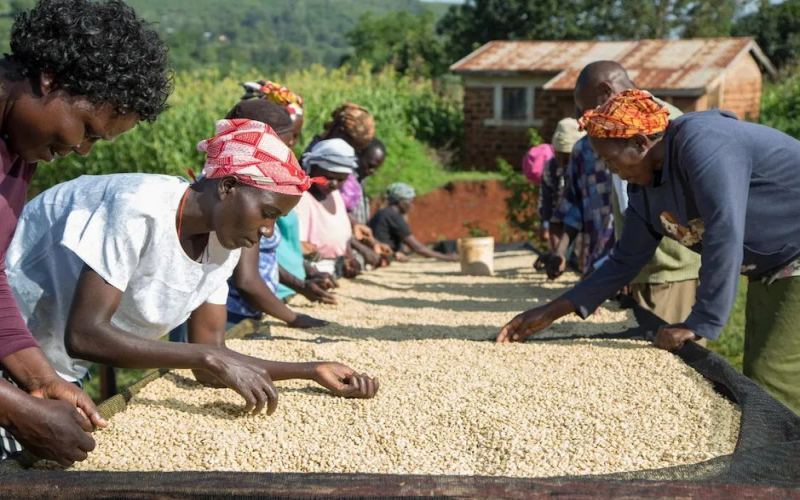
Kenyan coffee is renowned for its bright fruit acidity and solid sweetness. Behind this highly recognizable flavor profile lies a strict grading system that has been in use for nearly a century. Since the 1930s, Kenya has established grade classifications based on coffee bean size, shape, and hardness, while also incorporating flavor grade assessments to provide a double safeguard for green bean quality. What exactly do common grades like AA, AB, and PB represent? What do AA+ and TOP AA mean respectively? This article systematically sorts out the grading logic of Kenyan coffee, the screen sizes corresponding to each grade, and uses Front Street Coffee's own roasted Kenyan Asaliya coffee beans as an example to share their origin background, processing method, and brewing suggestions, helping coffee enthusiasts more clearly understand the quality framework of Kenyan coffee. [more…]

Kenyan Coffee Flavor and Regions: A Complete Guide — From AA Grading to K72 Washing, Front Street Coffee Helps You Understand Specialty Kenya
Kenyan coffee is renowned for its bright, full-bodied fruit acidity and thick, juicy mouthfeel, making it a producer origin that cannot be overlooked on the global specialty coffee map. This article systematically sorts through the full picture of Kenyan coffee, from its historical evolution, variety selection and breeding, the terroir of its six major producing regions, the auction and direct trade systems, to green bean grading standards and the K72 washed processing method. At the same time, drawing on the cupping and brewing experience of FrontStreet Coffee, it introduces the origin information and brewing parameters of Kenyan Cherry Tomato coffee beans, helping coffee enthusiasts gain a more comprehensive understanding of the unique charm of this East African producing country. [more…]
A Detailed Explanation of the Kenyan Coffee Bean Grading System: A Full Analysis of the Meanings and Flavor Characteristics of AA, AB, and PB Grades
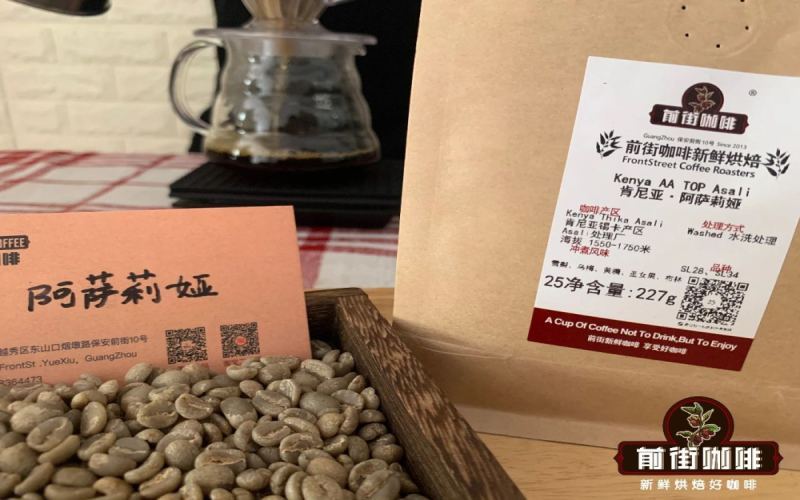
Kenyan coffee occupies an important position in the global specialty coffee scene thanks to its bright berry-like acidity, sugarcane-like sweetness, and juicy mouthfeel. Many consumers notice labels such as "AA," "AB," or "TOP" on coffee bags when making a purchase—but what exactly do these markings mean? This article systematically sorts out Kenya's coffee grading system, from the traditional size-based grading to the quality grading procedures established by the Kenya Coffee Research Institute, interpreting one by one the specific meanings and distinguishing criteria of grades such as AA, AB, PB, C, E, TT, and T, while also explaining the origins of secondary rating labels such as TOP, Plus, and FAQ and their cupping score ranges. In addition, the article uses Front Street Coffee's Kenya Asalia AA TOP as an example to provide detailed brewing parameters and flavor descriptions, helping coffee enthusiasts gain a more comprehensive understanding of the quality logic and tasting key points of Kenyan coffee. [more…]
Which Kenya coffee is the best? From regional grading to K72 washing, one article explains how to make Kenyan black coffee
Kenyan coffee is renowned for its bright, elevated fruit acidity and full, substantial berry mouthfeel, making it a highly distinctive presence in the world of specialty coffee. Drawing on Front Street Coffee's cupping experience, this article systematically reviews the historical development of Kenyan coffee, the terroir characteristics of its six major producing regions, its grading system and auction trade framework, and provides a detailed breakdown of the three-stage fermentation process of the K72 washed processing method. At the end, the brewing parameters and flavor description for Front Street's Kenya Athalia coffee beans are included, helping coffee enthusiasts gain a comprehensive understanding of this bean's origins and development, and master the correct approach to recreating Kenyan black coffee at home. [more…]
How Is Kenyan Coffee PB Peaberry Different from AA Grade? A Comprehensive Analysis from Grading System to Flavor and Mouthfeel
Kenyan coffee is renowned worldwide for its outstanding quality, but what exactly do the letters AA and PB represent? From the perspective of Front Street Coffee, this article systematically sorts out Kenya's coffee grading system, including the meaning and distinguishing criteria of each grade: E, PB, AA, AB, C, TT, T, and MH/ML. At the same time, Front Street takes a batch of Peaberry from the Ichamama Factory in the Nyeri region as an example, documenting in detail the complete process from green bean information and cooperative background to roast curve design and cupping flavors, and conducts a brewing comparison with Kenyan AA coffee beans, helping readers gain a deeper understanding of the actual differences in taste and flavor between PB Peaberry and AA coffee beans. [more…]
Kenyan Coffee Flavor and Brewing Guide: AA Grading Standards and Analysis of Six Major Producing Regions
Kenyan coffee is famous for its bright acidity and intense berry flavors, and is a beloved favorite among many seasoned coffee enthusiasts. But do you know about its cultivation history, producing regions, and green bean grading? This article starts with the origins of Kenyan coffee, outlines the distinctive characteristics of its six major producing regions, explains the logic behind grading standards such as AA and PB, and shares brewing parameters and techniques recommended by FrontStreet Coffee, helping you gain a more comprehensive understanding of this East African coffee-producing country and find Kenyan beans that suit your taste. [more…]
The Grading Code of Kenyan Coffee Beans: A Detailed Explanation of AA, TOP, and Other Designations and Cupping Standards
When selecting Kenyan coffee, what exactly do the terms "AA" and "TOP" commonly seen on packaging represent? This article systematically sorts out Kenya's coffee grading system, from the bean size grading under the 1934 auction system (AA, AB, PB, C, E, TT, T, MH/ML) to the secondary quality ratings established by the Kenya Coffee Research Institute (TOP, Plus, FAQ), and analyzes the comprehensive scoring mechanism across the three dimensions of green beans, roasted beans, and cupping. It also presents the producing region information and brewing parameters of Front Street Kenya Little Tomato coffee beans, helping you understand the practical meaning behind the grading labels. [more…]
What makes Kenyan PB round beans unique? An analysis of Kenyan coffee grading and the K72 processing method
Kenyan coffee stands out in Africa with its distinctive cherry tomato acidity and bright cup profile, thanks in large part to the two major varieties SL28 and SL34. This article focuses on Kenyan PB round beans, outlining the high-altitude growing conditions of Kenyan coffee, the unique K72 washed fermentation process, and the eight-tier grading system based on bean size. It also compares the flavor differences among common grades such as PB, AA, and AB, and, drawing on three beans listed by Front Street Coffee—Sasini Estate PB round beans, Asali AA, and Gachatha Cooperative AB—shares practical brewing parameters and cupping performance to help coffee lovers gain a more comprehensive understanding of what makes Kenyan coffee so captivating. [more…]
A Comprehensive Guide to Kenyan Coffee Bean Grading Standards: AA and PB Grades, Flavor Differences, and Front Street Recommendations
Kenya AA coffee is often hailed as one of the world's top specialty coffees, but what exactly do the letters AA and PB stand for? This article systematically breaks down the grading system for Kenyan green coffee beans, including the meaning and specifications of each grade—E, PB, AA, AB, C, TT, T, and MH/ML—and takes a deep dive into the flavor differences between AA and PB peaberry beans. Drawing on years of roasting experience, Front Street Coffee uses an Ichamama Peaberry as an example to share its roasting approach and cupping performance, while also offering brewing parameter recommendations for Kenya AA, helping coffee lovers gain a comprehensive understanding of what to look for when buying and tasting Kenyan coffee. [more…]
Red Fruit of the East African Highlands: A Full Guide to Kenyan Specialty Coffee Origins, Grading, Auctions, and Flavor
Kenyan coffee occupies an irreplaceable position in the global specialty coffee landscape, winning over countless coffee lovers with its bright citrus aromas, juicy acidity, and wine-like finish. Front Street Kenyan coffee is mostly grown in highland areas at altitudes of 1,500 to 2,100 meters, with two harvests each year. This article will systematically review the characteristics of Kenyan specialty coffee from the perspectives of cup profile, industry management, grading system, and auction mechanisms, and introduce its development trajectory and price trends in the international market. [more…]
Starbucks Kenya Coffee Beans Price and Flavor Analysis: A Complete Guide to Regions, Varieties, Processing Methods, and the Grading System
Kenyan coffee is renowned worldwide for its bright, intense acidity and distinctive flavor layers. Starbucks has offered Kenya coffee since 1971, and the elephant design on its packaging has long since become a classic symbol. From the perspective of Front Street Coffee, this article systematically reviews Kenya's coffee-growing conditions, main varieties (SL28, SL34, Ruiru11, Batian), the K72 washed processing method, and the green bean grading system. Combined with the roasting and brewing parameters of Front Street's Kenya Little Tomato coffee beans, it will guide you through a comprehensive understanding of the unique charm of this African specialty coffee, offering a reference for everyday purchasing. [more…]
A Detailed Explanation of the Differences Between Kenyan Coffee Green Bean AA and AB Grades and the Flavor Characteristics of Producing Regions
When purchasing Kenyan coffee, you will often see bean names followed by letter designations such as AA or AB—what exactly do they mean? Why does Kenya place such emphasis on these grades? This article will systematically outline Kenya's green bean grading system based on bean size, explaining the specific classification criteria for each grade—AA, AB, C, PB, E, TT, T, and MH/ML—and pointing out the limitations of size-based grading: bean size is not the sole determinant of flavor quality, and growing altitude and environment are equally critical. It will also introduce the flavor characteristics of coffee from Kenyan producing regions, along with Front Street Coffee's recommendations for Kenyan coffee. [more…]
A Complete Guide to Kenyan Coffee Beans: Origin Legends, Development History, Growing Regions, and Grading System
Kenyan coffee, with its bright and uplifting acidity, intense berry flavors, and robust juicy mouthfeel, has become the beloved favorite of countless coffee connoisseurs. From the late nineteenth century when French missionaries introduced coffee trees to this land, to today when the Nairobi auction has become one of the most transparent coffee trading platforms in the world, Kenyan coffee has traveled a unique path of development. This article will systematically review the cultivation history of Kenyan coffee, the terroir characteristics of its six core producing regions, and the green bean grading system based on bean size, while also sharing the specific parameters and techniques used by Front Street Coffee when brewing Kenyan beans, taking you through a comprehensive understanding of the charm of this East African coffee powerhouse. [more…]
Why Does Kenyan AA Coffee Have a Tomato Flavor? A Comprehensive Analysis of Producing Regions, Grading, and Brewing Key Points
Kenya AA coffee is renowned for its bright fruit acidity and distinctive tomato-like flavor, making it one of the most recognizable presences in specialty coffee. This article systematically analyzes the origins of Kenyan coffee's flavor, from growing conditions and historical context to the top ten producing regions, the official grading system, and the K72 washed processing method. The baristas at Front Street Coffee combine cupping and pour-over practice with Kenyan Asaliya beans to share specific parameters and brewing techniques, helping enthusiasts understand this "most acidic coffee's" clean mouthfeel and its layers reminiscent of smoked plum and cherry tomato—ideal for readers who want to delve deeper into Kenyan coffee. [more…]
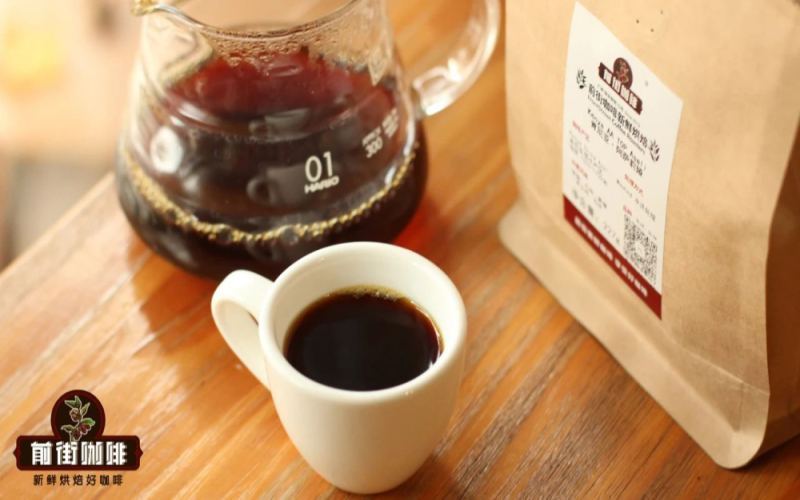
Kenya Coffee Industry Panorama: From Berman Estate to Front Street Asalia - Regions, Grading, and Flavor Analysis
Kenya, with its exceptional climate conditions and a continuously refined industry system, has cultivated Arabica coffee with distinct flavors and outstanding quality. This article starts with Dormans Estate, Kenya's largest coffee producer, to systematically trace the rise of Kenyan coffee—including the SL28/SL34 breeding mechanism, government promotion, the auction system, unique grading standards, and the 72-hour washed fermentation process—and further analyzes the characteristics of core producing regions such as Nyeri, Kirinyaga, and Murang'a. It also presents Front Street Coffee's Kenyan Asalia (Little Tomato) brewing recipe and flavor review, offering coffee enthusiasts a complete picture of Kenyan specialty coffee. [more…]